

reading is cool now. why do we hate that?
the summer's hottest accessory is finally relevant to me

Reading is cool.
Third grade me, who was teased for reading at recess, can’t believe it. My sixth grade self, in the era in which I took a couple years off the stuff to see if that might be the missing piece for popularity, is astonished.
The Emma of first grade, who was the first to finish the learn-to-read modules and therefore unlock the right to read the American Girl books, knew it was just a matter of time.
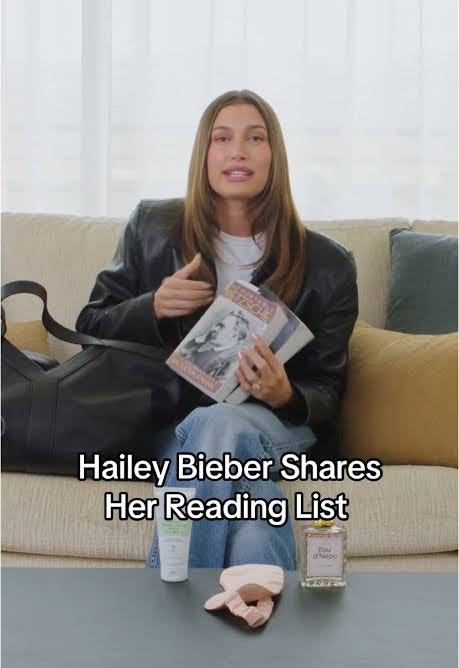
I’ve been wary of calling it, but it’s undeniable now. Terms like “hot girls read” (hold the scandal) and “it girl reading list” proliferate. Celebrity book clubs have surpassed the sphere of the pleasantly mom-like to certified youth icons (myself: washed, unc) ranging from Dua Lipa to Kaia Gerber. Books are something to shill for alongside skincare and bring to the beach for bikini shots.
This trend, as it were, is getting more and more attention on Substack of late, launching thinkpiece after rant after essay getting to the bottom of the Kardashian-Jenners’ theoretical mid-Instagram-post mindset.
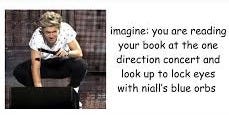
As someone who has been in the trenches of thankless, unsexy reading all my life, ruining my vision and failing to make even one teen pop sensation fall in love with me by holding a book in the middle of their concert, I thought I’d weigh in:
I think this is all fantastic.
The behavioral impact that influencers wield is terrifying and far-reaching. Seventy-six percent of people follow influencers1. Seventy-four percent of people2 have purchased an item based on an influencer’s claims.
That level of trust and widespread presence can have insidious results. Twenty-nine percent of people self-report parasocial relationships with influencers (a number I’m sure is actually much higher). In an age of climbing health misinformation, 40 percent3 of people get health and wellness advice from influencers who are frequently completely unqualified. A recent study4 found that influencer culture can harm viewers’ well-being in six significant ways, including through unrealistic standards from beauty to finance to consumption.
With all this going on every minute of every day…you want me to be mad that the baddies are quoting Eve Babitz?

Celebrity book club selections can have real impact, with authors whose books are chosen by sources like Read with Jenna or Reese’s Book Club seeing 500 to 700 percent spikes in sales5.
I am personally of the opinion that all reading is good reading, and I don’t care what kind of books you like as long as you like them. But even if you did — these book clubs prioritize debut novelists, women writers, backlist lit fic, classics. On the scale from commercial to literary, they tend toward the latter, most often floating in the “upmarket” no man’s land but occasionally wading their way into something new and fresh and genuinely interesting.
But again. Even if they didn’t. What’s so wrong about marketing reading?
If a book is the hottest accessory of the summer, I’m all for it. One step further away from Dua Lipa going the full Bezos route.
Hannah Connolly wrote this great essay on all the behaviors influencers exhibit, adherences to the aesthetically pleasing and trendy that can go so far past reasonable they reach irresponsible. When you open Instagram, you’ll be confronted by modular sofas still in the pristine ivory they were TaskRabbit’d into existence in, walkable cities traversed safely in matching sets, kitchens with no visible appliances. TikTok will show you Erewhon smoothies and glass skin and viral Whole Foods snacks until you throw your phone at a wall.
In a world where views of the unachievable are so commonplace it feels shameful to fail to live up to them, I appreciate the accessibility and pleasure of a good book recommendation.
Call me if Gracie Abrams posts a Colleen Hoover shoutout.
Why have ordinary paper and cardboard books become so warmly embraced by celebrities, influencers and general bibliophiles? Are books a welcome relief from algorithms, computers and the encroaching AI? It’s true that books are informative, educational and wonderfully entertaining. However, recently the popularity of books seems to have surged. For decades school librarians have tried to invent innovative ways to encourage students to read, such as dressing up as book characters and creating library displays. People of all ages may benefit from the literacy and socialisation skills provided by reading a range of materials. It seems that this understanding is spreading to more diverse demographics.
I completely agree. Especially from an educational viewpoint it’s important to market reading. Literacy is decreasing, teens are reading less. If people actually pick up some books through (celebrity) book clubs and start reading, it could do a lot of good (especially in the long run).