

classics worth reading
25+ old, intimidating books worth your time

Even on Substack, held up as the One Good Social Media (in spite of the fact that it’s mostly Pinterest-sourced screenshots of Sarah Jessica Parker with a laptop captioned “me writing posts for my one subscribes” and eight month old bookish tweets), you can find discourse.
Lately, that’s been around the idea of classics worth reading — because to say some are worth reading necessarily implies there are some that aren’t, a more interesting topic if only because it’s easier to get mad about.
This topic of controversy, rather than introducing the typical frustration/irritation/anger, made me jealous. I have FOMO. For reasons unknown to me, I completed English courses and a lit degree, and then just…kept assigning myself classics. I’ve finished one every month or so for almost four years.
These are the ones I think you should read, too.
Fun to Read
Contrary to their boring, lame reputation, some classics are actually a really enjoyable ride. Not all of them. Not even most of them. But some. Okay technically just these seven:
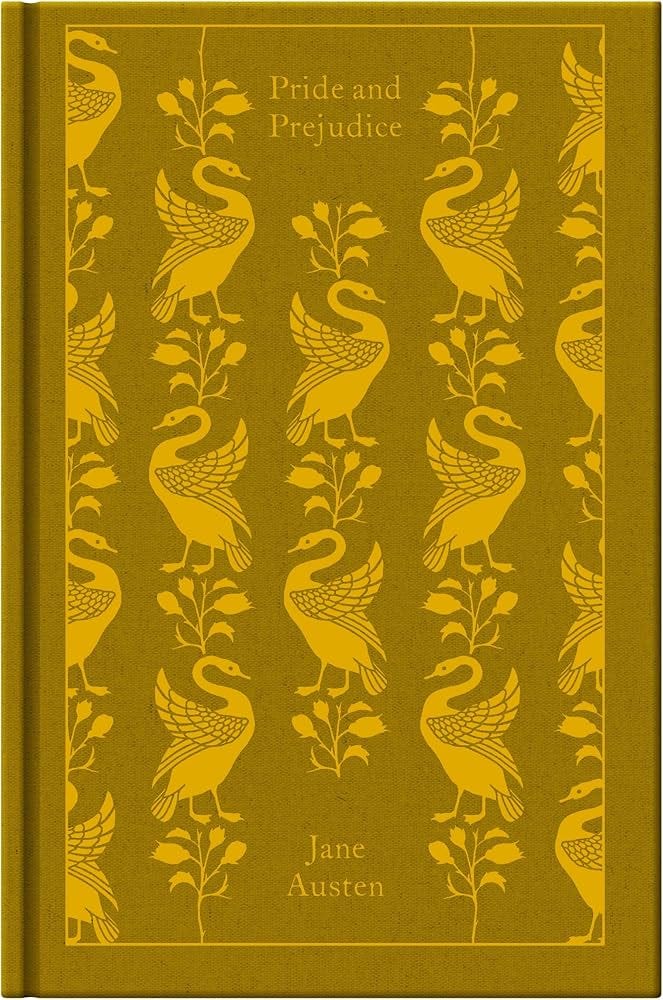
Pride & Prejudice by Jane Austen
This has to get the #1 spot for being (maybe) the first classic I read for fun, and had fun reading. I love a lot of Austen but this is THE starting place — the language is decently accessible, the romance meets enemies-to-lovers standards from any century, and there are jokes. What more do you need.
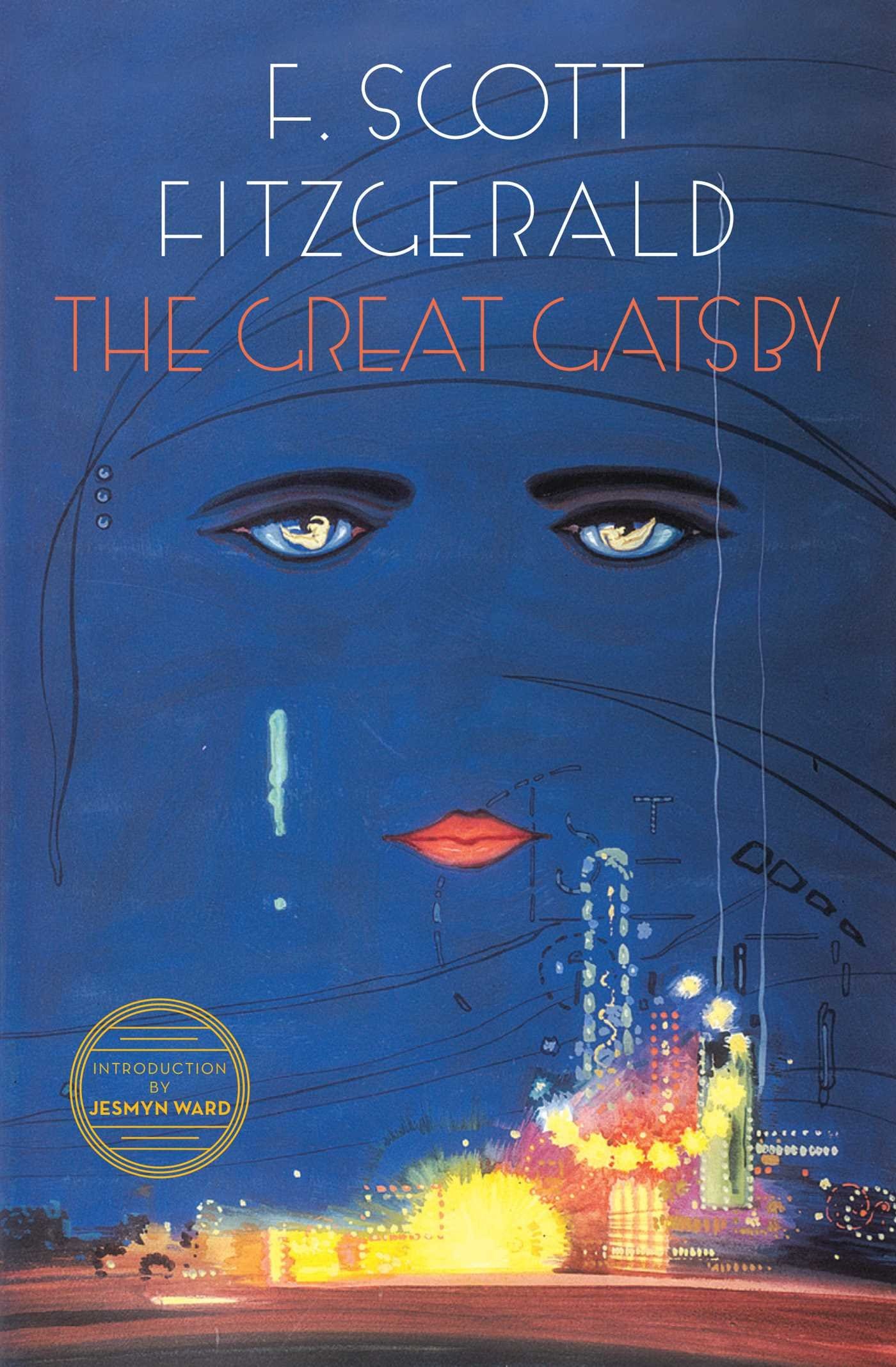
The Great Gatsby by F. Scott Fitzgerald
School required reading doesn’t get a lot of things right, but making this the first adult book most English classes read is a serve. It has what one of my teachers called “hit-you-over-the-head” symbolism, so you can pick up on themes and motifs and their meanings effortlessly, and also the plot is a bunch of annoying party people being insane. Win-win.
Macbeth by William Shakespeare
This play has EVERYTHING: witches, women doing crime, murder, going mad with power, the inspiration behind real-life curses. I am not a big Shakespeare reader (the closest I’ll get to listing my classics not worth reading in this post) but I can admit this one is a good time.
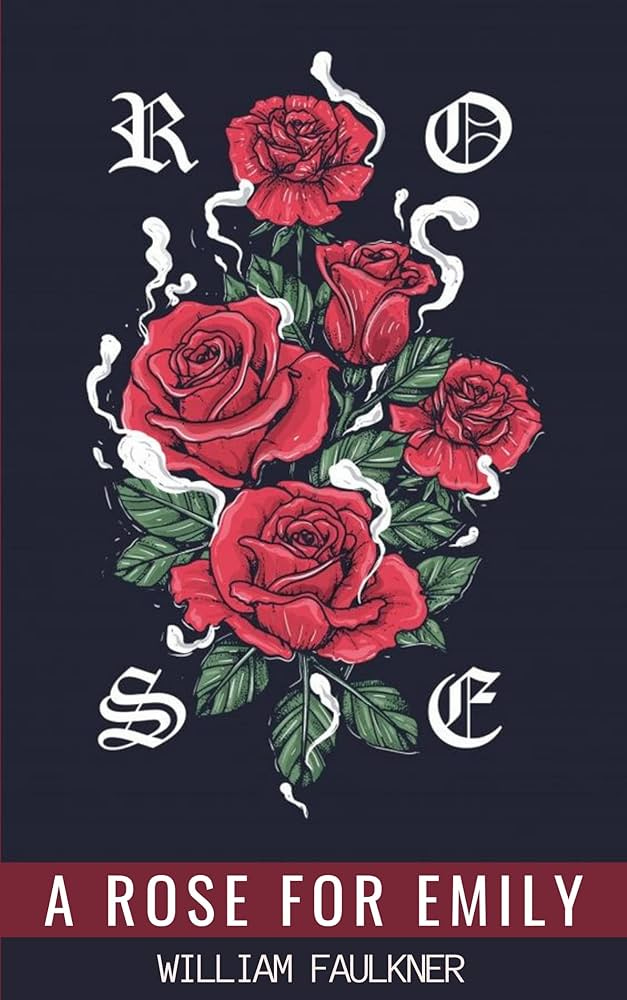
A Rose for Emily by William Faulkner
This is technically a short story, which is, I’m assuming, why all the covers I found look like they were made with Canva and a dream, but that just adds to the fun. It’s short and sweet. (By sweet I mean disturbing. That’s my definition.)
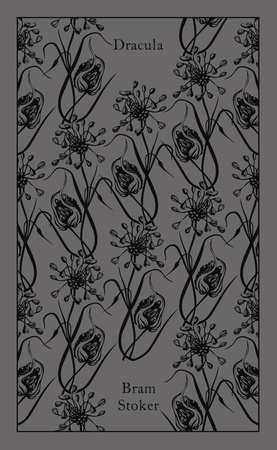
Dracula by Bram Stoker
I recently saw a TikTok that said “the ideal relationship has one person who reads 40 books a year and one person who reads two.” That describes me and my fiancé, and this was enjoyably one of his two. In spite of the fact that I read and review a ton, I think the testimony of people who don’t read much is the most compelling. Those books have to be special.
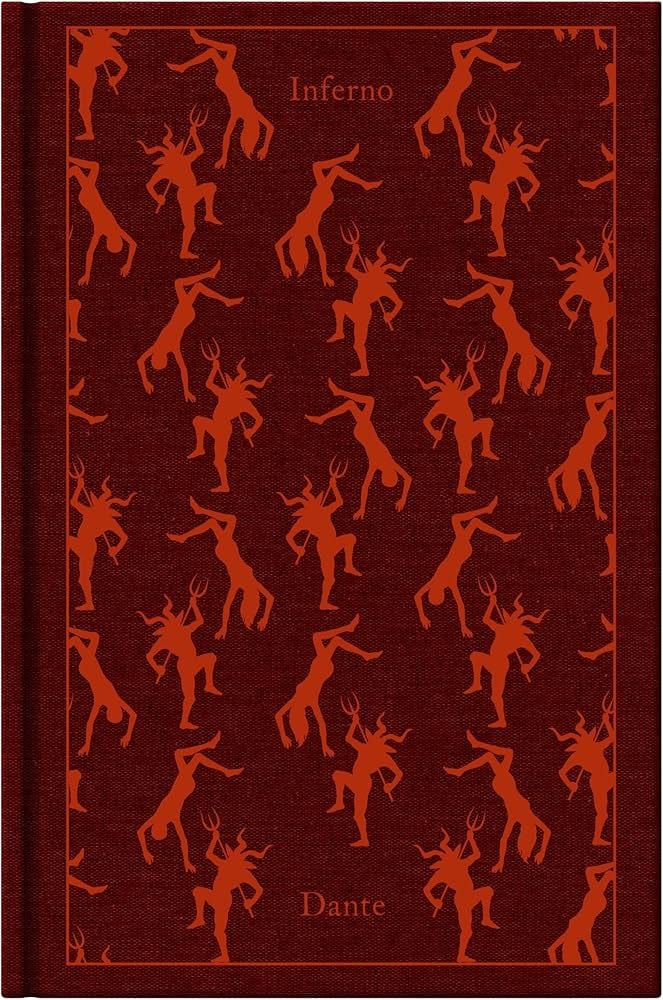
Inferno by Dante
As much a fun-filled romp as you’d expect a guided poets’ tour through the circles of hell to be. It’s a bummer he starts with the fiery depths part because there is no way purgatory or heaven can be as compelling as cannibalism puns and sinners.
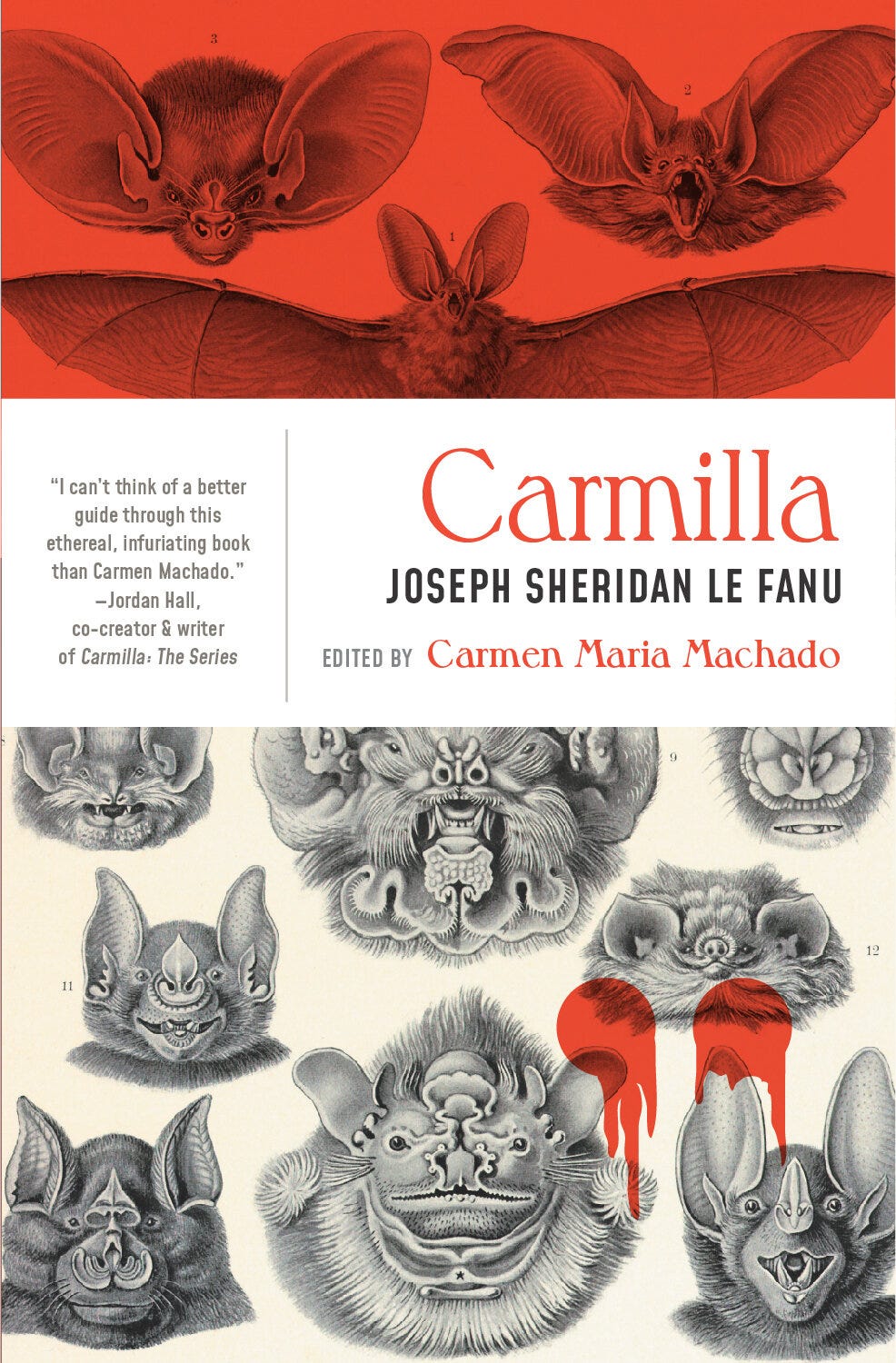
Carmilla by Joseph Sheridan Le Fanu
Five words: “Sapphic vampires that inspired Dracula.”
Insightful
What I would call “the traditional” reason for reading classics — that they’re good for your brain or whatever. I don’t think that’s true of all of them, but these meet the criteria:
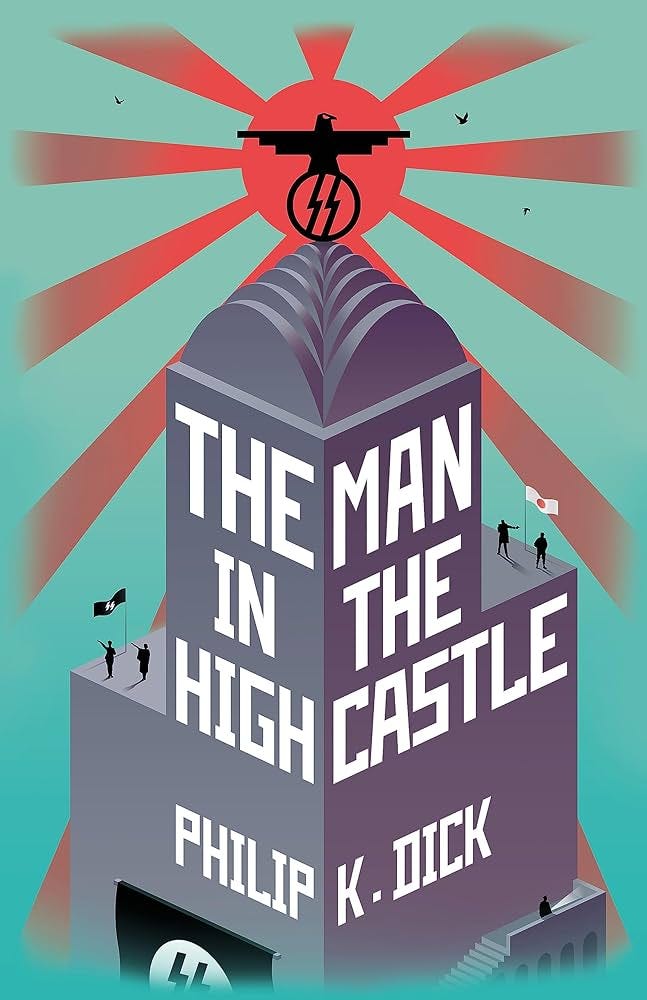
The Man in the High Castle by Philip K. Dick
Immediately we’re starting off with a genre classic. That’s called Subverting Expectations.
This exploration of what could have happened if the Axis won World War II opened my third eye on power, and history, and what it means when one side gets to tell all of the stories.
Their Eyes Were Watching God by Zora Neale Hurston
I just recommended this book a few days ago, but this is my year of shouting about Their Eyes Were Watching God from the rooftops. It’s so informative of its time and space, but if you told me it was published yesterday I would believe you. Especially because it was Tuesday.
![Slaughterhouse Five: Kurt Vonnegut [Book]](https://substackcdn.com/image/fetch/$s_!GtM2!,f_auto,q_auto:good,fl_progressive:steep/https%3A%2F%2Fsubstack-post-media.s3.amazonaws.com%2Fpublic%2Fimages%2Fdaf1f234-2638-4029-9f1c-cadbbe6e23b4_274x450.jpeg "Slaughterhouse Five: Kurt Vonnegut [Book]")
Slaughterhouse-Five by Kurt Vonnegut
I did not think I would love Vonnegut, because he gets a bad rap as being among the red-flag favorite authors of evil men on dating apps, but I like Salinger and Fitzgerald and Hemingway too so I guess I shouldn’t be surprised. This is such a stunner on the evils of war — it should be required before taking political office. Assuming politicians are literate, I guess.
Native Son by Richard Wright
The newest addition to my all time favorite classics list — I finished this last month and every moment was a searing, painful read. Like Their Eyes Were Watching God, this would be just as timely if published today.
The Trial by Franz Kafka
If you read this — or any other Kafka book, I suppose — you unlock the ability to use the word “kafkaesque.” That is a really solid tool to have in your toolbelt in adult life.
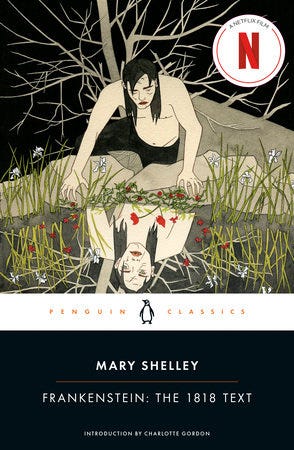
Frankenstein by Mary Shelley
Some really helpful lessons here, including “question everything” and “be nice to everybody, including monsters” and “protect nature” and “even classics can have horrible and hard to remove ‘now a major motion picture’ stickers on them, and that’s the most painful of all.”
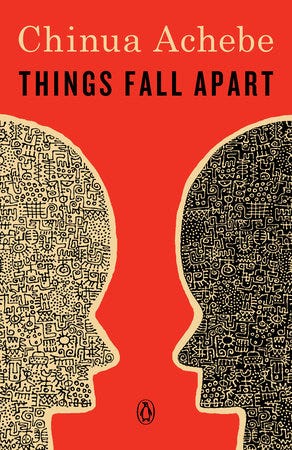
Things Fall Apart by Chinua Achebe
I read this in school and I read this as a grown-up and I learned something from it each time. Hard to come up with more important reading than countering a concept like “AP US History” with literature about colonialism from the colonized.
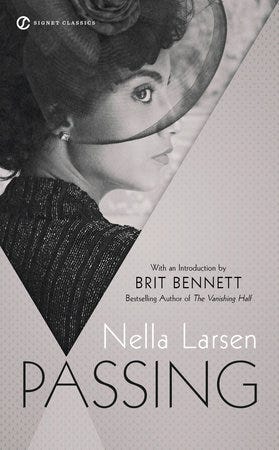
Passing by Nella Larsen
I first read about the concept of passing in one of the books that came free with American Girl Dolls (which one has been forgotten to time, and in fact it is much more likely I read it thanks to my elementary school classroom library than a doll). Somehow this book is even better!
Stunning
Reading books purely because they’re beautifully written is a great way to feel like the world’s most intellectual hedonist. These are beautiful in theme and imagery to boot.
![Jane Eyre [Book]](https://substackcdn.com/image/fetch/$s_!Legq!,f_auto,q_auto:good,fl_progressive:steep/https%3A%2F%2Fsubstack-post-media.s3.amazonaws.com%2Fpublic%2Fimages%2F5afa3ef1-27a0-45b7-ad38-c79280110684_292x450.jpeg "Jane Eyre [Book]")
Jane Eyre by Charlotte Brontë
I just almost said “a classic for a reason”…look everyone, she’s getting it!
Procrastination led me to read this entire book on a high school Valentine’s Day, which was peak yearning. I’m not a Rochester defender anymore but following Jane’s life is one eloquent journey.
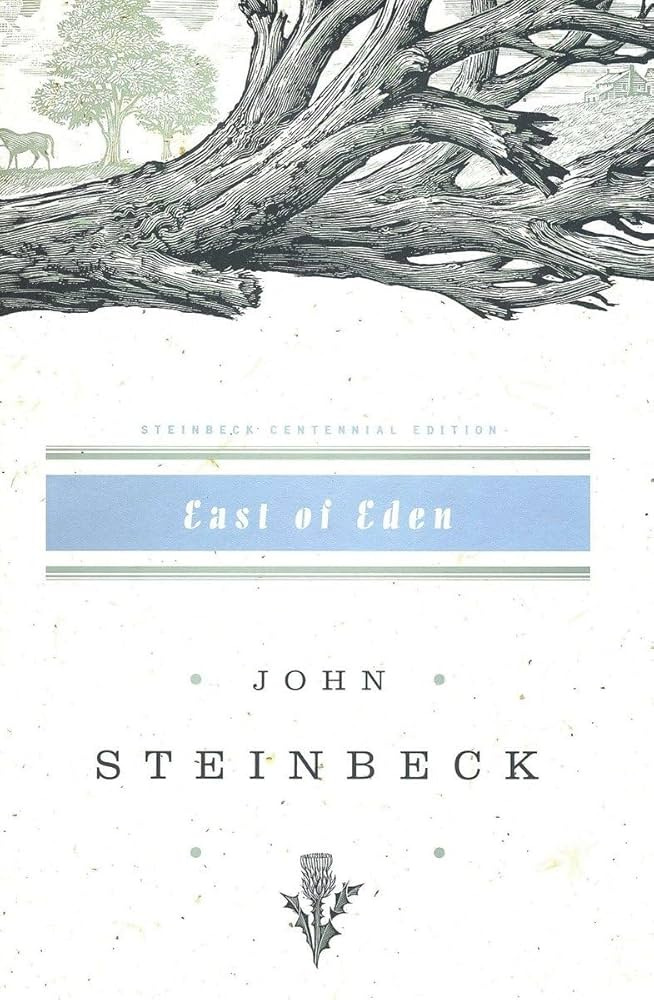
East of Eden by John Steinbeck
I don’t know what caused everyone to read this book randomly last year, but I’m not complaining. It’s pure excellence — all the might and morality of the biblical story it’s retelling paired with unforgettable writing and an unbelievable cast of characters.
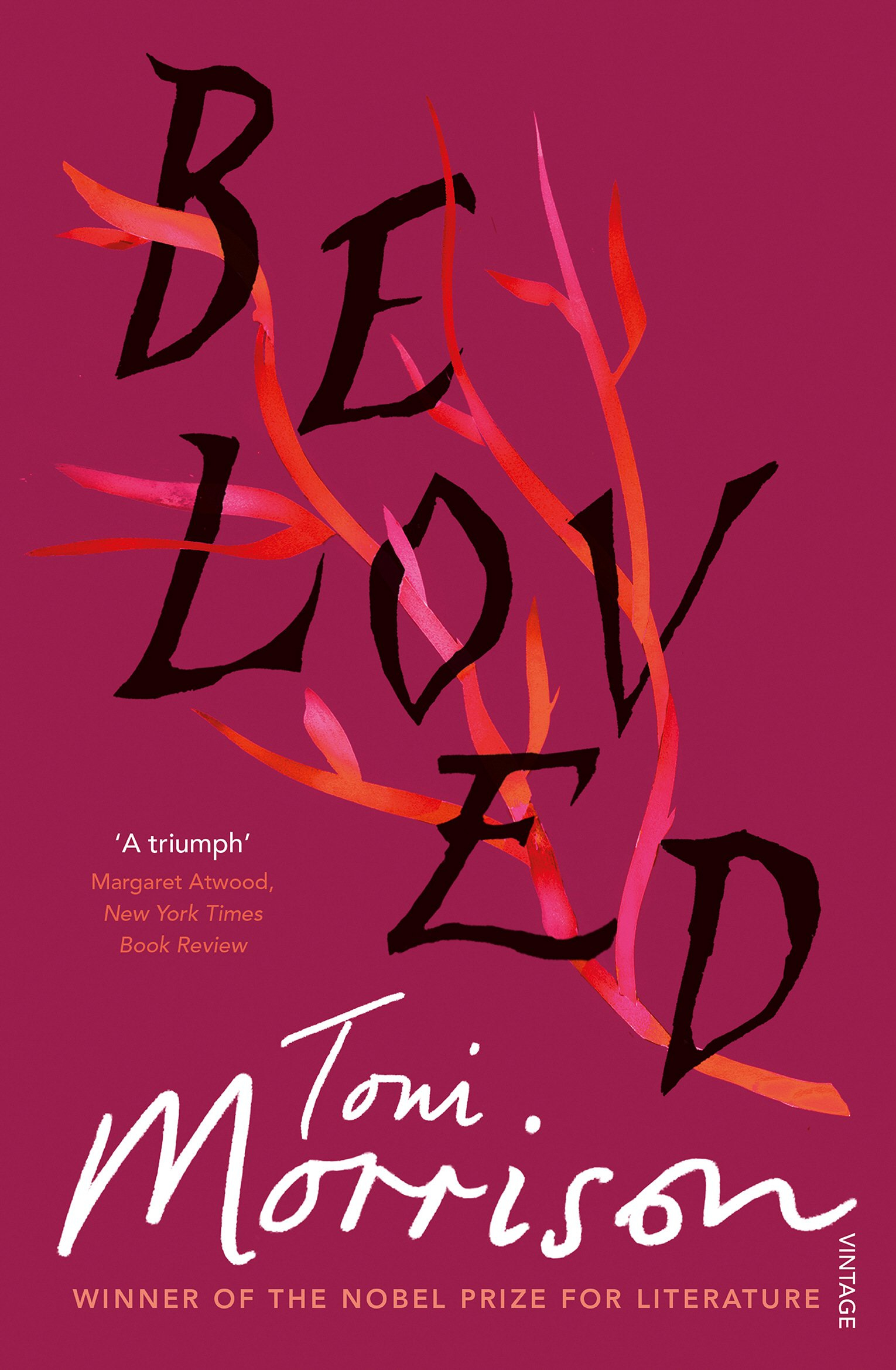
Beloved by Toni Morrison
I could put any number of Toni Morrison books here, but this, my first one, will always be the one I recommend first — it’s a stunner in writing, in theme, in content, and in characters.
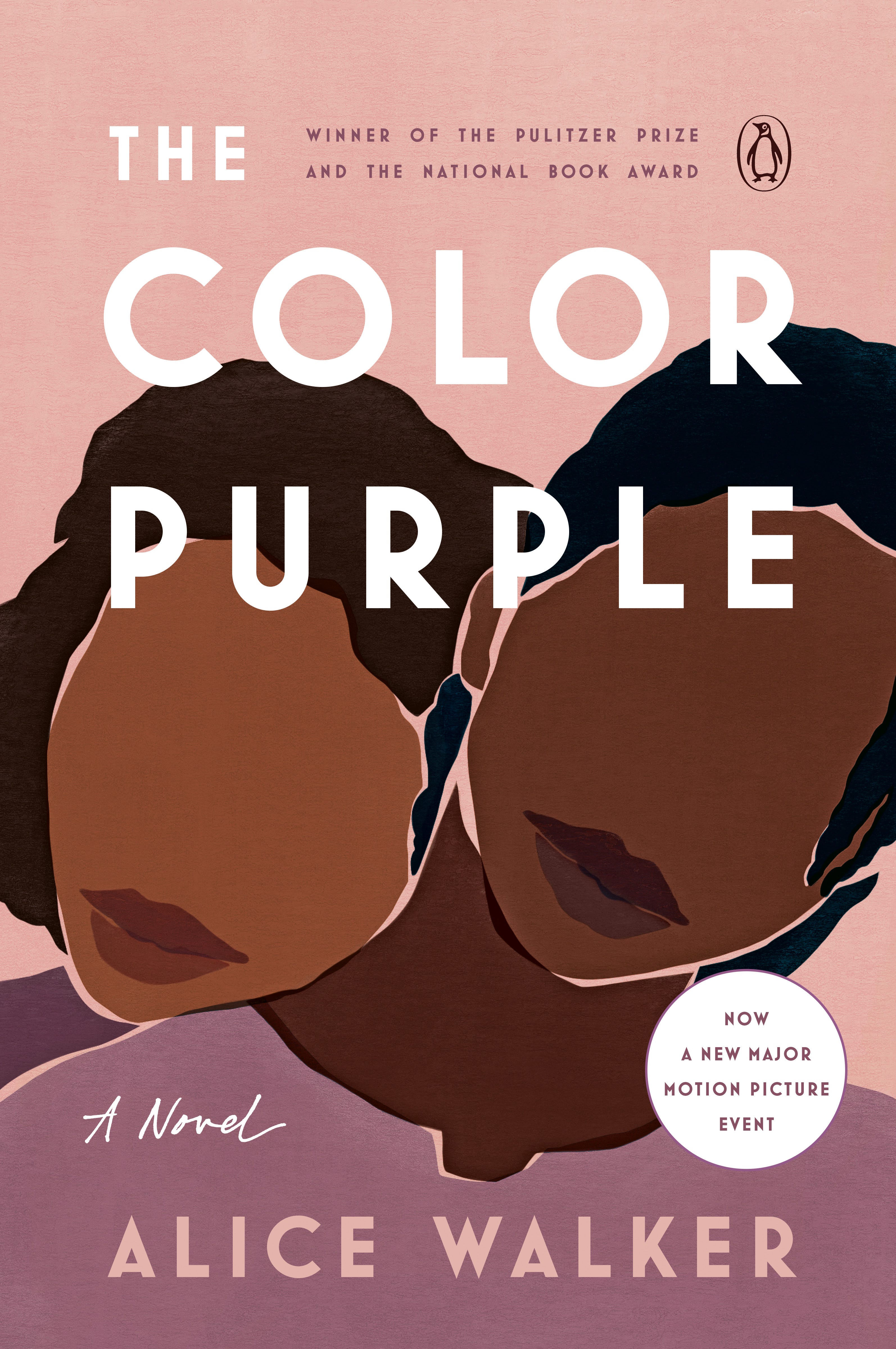
The Color Purple by Alice Walker
I read this intentionally, when I was having a hard time connecting with most of the books I picked up. I got way, way more than I bargained for. This just about broke me in half.
The Picture of Dorian Gray by Oscar Wilde
I haven’t read much Wilde, and his collected short stories didn’t hit the eloquent, over-the-top, immersive levels I expected from his reputation, but this did! Now I’m thinking about when a reality TV cast member’s AI sidekick compared him to Dorian Gray and he said “Like 50 Shades?”
To the Lighthouse by Virginia Woolf
Anyone who has ever been in a family knows that nothing, even the delay of a visit to a lighthouse, is a non-issue. Still, this manages to make it especially deep. And those quotations! You can’t miss a paragraph. (Not that that’s a thing you can do with any book. That’s the concept of reading. But still.)
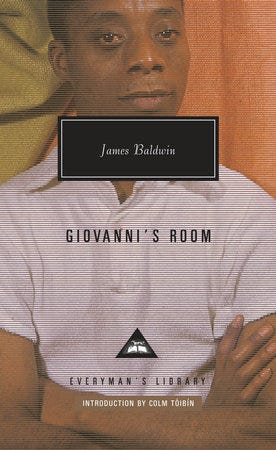
Giovanni’s Room by James Baldwin
Just going to leave this here:
“And this was perhaps the first time in my life that death occurred to me as a reality. I thought of the people before me who had looked down at the river and gone to sleep beneath it. I wondered about them. I wondered how they had done it - it, the physical act. I had thought of suicide when I was much younger, as, possibly, we all have, but then it would have been for revenge, it would have been my way of informing the world how awfully it had made me suffer. But the silence of the evening, as I wandered home, had nothing to do with that storm, that far-off boy. I simply wondered about the dead because their days had ended and I did not know how I would get through mine.”
Brag-Worthy
This is the real reason to read classics: to say you did. No better way to automatically infuse your every statement with wisdom and trustworthiness — and these ones are worth the effort.
Middlemarch by George Eliot
In many ways this is as if you smashed 2-3 Jane Austen books together, and in others it’s like Anna Karenina. (Watch this space.) Spending a month in the company of these characters made me think that all long books leave you with fictional figures that you love in spite of their flaws. Then I remembered this is a special case.
Anna Karenina by Leo Tolstoy
The way this is like Middlemarch is that, for the most part, it’s a gossipy story of love and judgment in posh-ish society, but it keeps getting interrupted by virtually unending passages about farming. If you can see the charm in them you’re golden.
The Iliad by Homer
I reread both this and the Odyssey in the past couple years, and I did not realize throughout either that preferring the former is an unpopular opinion. The Trojan War is fascinating — gods! war! homoerotic friendship! baddies! — and the Odyssey is just a guy’s commute home.
The Count of Monte Cristo by Alexandre Dumas
This was the very first book I was recommended for a post I did in which I let you guys pick my reads, and I was furious. To my surprise, this is really enjoyable when you settle in — an absolutely unhinged tale of revenge. Just close your mind to the really gross romance.
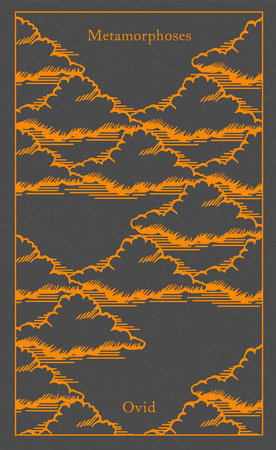
Metamorphoses by Ovid
This is essentially the Now That’s What I Call Music of Greco-Roman myth, a who’s who of gods and goddesses and stories, each coming in at a couple paragraphs. It’s action packed and if it were any shorter or less erudite-seeming I’d toss it in the Fun section.
the different sections makes so much sense...... manifesting 2026 being the year i read the counte of monte cristo
As a librarian and person with English/Drama degree I am slightly embarrassed to admit I've only read 9 on this list (although I'm relieved to report we have 20 of them in our school library!)
Knew Jane Eyre would feature, but actually Villette is my fave Bronte, and I would add Great Expectations, and probably Howard's End by E M Forster to the list. But that's my homeland loyalty coming out (as I live in NZ now!)